The Ultimate Guide to Petrol Auto Rickshaw Mileage in India: Why Varanasi is Shifting Gears
Varanasi, the spiritual heart of India, is a city constantly in motion. Its narrow lanes, bustling markets, and sacred ghats teem with life, and for decades, the auto rickshaw has been an indispensable part of this vibrant tapestry. Drivers, passengers, and tourists alike rely on these three-wheeled workhorses for daily commutes and sightseeing. However, as fuel prices climb and environmental concerns grow, the traditional petrol auto rickshaw mileage in India, particularly in a city as unique as Varanasi, is becoming a critical talking point. Operators are increasingly looking for more economical and sustainable alternatives.
This comprehensive guide dives deep into the world of auto rickshaw mileage, exploring the challenges and opportunities for drivers in India. We’ll compare petrol, diesel, and CNG options, and crucially, introduce you to the revolutionary future that awaits – the electric auto rickshaw, exemplified by the advanced LI PRIMA. If you’re an auto rickshaw owner or aspiring driver in Varanasi, understanding these dynamics is key to your success and profitability.
Understanding Petrol Auto Rickshaws in India: The Mileage Equation
For generations, petrol auto rickshaws have been the backbone of urban transport in India. Brands like Bajaj RE and Piaggio Ape have dominated the market, known for their robust build and widespread availability. But what about their mileage, and why is it such a concern?
Factors Affecting Petrol Auto Rickshaw Mileage
- Traffic Conditions: Stop-and-go traffic, common in Indian cities like Varanasi, significantly reduces fuel efficiency. Constant braking and acceleration consume more fuel.
- Maintenance: A poorly maintained engine, dirty air filters, or incorrect tire pressure can drastically cut down mileage. Regular servicing is paramount.
- Driving Style: Aggressive driving, rapid acceleration, and sudden braking burn more fuel than smooth, consistent driving.
- Load: Carrying heavy loads or multiple passengers (especially uphill) puts more strain on the engine, impacting mileage.
- Engine Age: Older engines tend to be less efficient than newer ones, even with proper maintenance.
- Fuel Quality: Adulterated or low-quality fuel can lead to reduced efficiency and engine problems.
Average Petrol Auto Rickshaw Mileage in India
On average, a well-maintained petrol auto rickshaw in India typically delivers mileage in the range of 25 to 35 kilometers per liter (kmpl). This figure can fluctuate based on the factors mentioned above. For a driver in Varanasi operating for 8-10 hours a day, covering perhaps 100-150 km, this translates to significant daily fuel costs.
Let’s consider an example: If a driver covers 120 km daily at an average mileage of 30 kmpl, they consume 4 liters of petrol. At current petrol prices (which can vary, but let’s assume ₹100/liter for illustration), this means ₹400 spent on fuel daily, or roughly ₹12,000 per month. This is a substantial chunk out of their daily earnings.
The Varanasi Context: Navigating the Holy City
Varanasi presents a unique set of challenges and opportunities for auto rickshaw drivers. The city’s ancient layout, narrow alleys, and spiritual significance mean that transport needs are distinct:
- Narrow Lanes & Congestion: Many parts of Varanasi, especially near the ghats and old city, have extremely narrow lanes. Navigating these requires frequent low-speed driving, braking, and accelerating – all detrimental to petrol mileage.
- Tourist Routes: Varanasi is a major tourist hub. Auto rickshaws are crucial for ferrying visitors between hotels, temples, Sarnath, and the ghats. A pleasant, quiet, and eco-friendly ride can enhance the tourist experience.
- Environmental Sensitivity: As a spiritual and culturally significant city, there’s a growing awareness and need for cleaner transport options to preserve its sanctity and air quality.
- Driver Livelihoods: High operating costs directly impact the daily income of Varanasi’s auto rickshaw drivers, who often support entire families.
Given these unique conditions, the search for more efficient and sustainable auto rickshaw options is not just an economic imperative but also an environmental and cultural one for Varanasi.
Exploring Alternatives: Beyond Petrol
While petrol has been the default, the Indian market has seen the introduction and growth of other fuel types for auto rickshaws.
Diesel Auto Rickshaws
Brands like Piaggio also offer diesel variants of their auto rickshaws. Diesel engines generally offer better mileage than petrol engines, typically ranging from 30 to 40 kmpl. The fuel is also historically cheaper than petrol. However, diesel vehicles are often associated with higher particulate matter emissions, making them less favored in urban environmental policies. Maintenance can also be slightly more complex and expensive for diesel engines.
CNG Auto Rickshaws
Compressed Natural Gas (CNG) has emerged as a popular alternative, especially in cities with established CNG infrastructure. Brands like Bajaj RE and TVS King offer popular CNG models. CNG auto rickshaws are known for their significantly lower running costs and reduced emissions compared to petrol and diesel. Mileage for CNG auto rickshaws typically ranges from 35 to 45 kilometers per kilogram (km/kg). Given that CNG is often much cheaper per kg than petrol per liter, this translates to substantial savings. For instance, at ₹80/kg, covering 120 km at 40 km/kg would cost ₹240 – a significant saving over petrol. The main drawback is the limited availability of CNG filling stations in some areas, though Varanasi is seeing an expansion of its CNG network.
The Electric Revolution: A Game-Changer for Varanasi
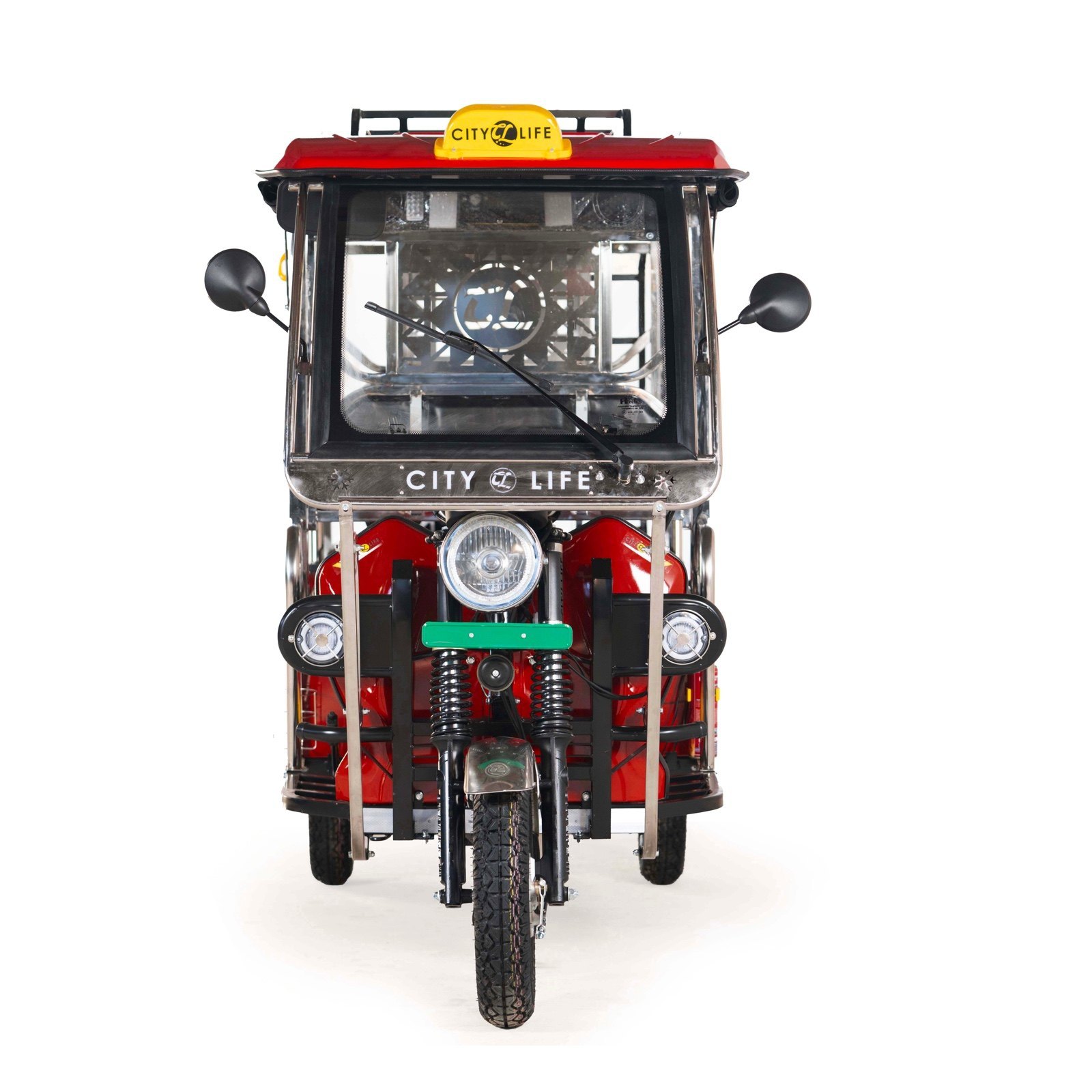
The most significant shift in the auto rickshaw segment is undoubtedly towards electric vehicles (EVs). Electric auto rickshaws, or e-rickshaws, are rapidly gaining traction due to their zero emissions, silent operation, and incredibly low running costs. This is where the LI PRIMA (Electric Rikshaw) steps in as a frontrunner.
Introducing the Future: LI PRIMA (Electric Rikshaw)
The LI PRIMA is not just an auto rickshaw; it’s a testament to the future of urban mobility, perfectly suited for the unique demands of Varanasi. It addresses the core concerns of petrol auto rickshaw mileage in India head-on, offering a sustainable, economical, and comfortable alternative.
Key Advantages of LI PRIMA:
- Zero Emissions: Contribute to a cleaner, greener Varanasi. The LI PRIMA produces no tailpipe emissions, making it ideal for the city’s sensitive environment and enhancing air quality.
- Silent Operation: Imagine navigating the spiritual silence of Varanasi without the roar of an engine. The LI PRIMA offers a peaceful ride for both driver and passengers, a significant plus for tourists and residents alike.
- Incredibly Low Running Costs: This is where LI PRIMA truly shines. Electric vehicles eliminate fuel costs entirely, replacing them with significantly cheaper electricity. Your daily running costs can drop by 80-90% compared to a petrol auto rickshaw.
- Impressive Range: Modern electric auto rickshaws like LI PRIMA come with advanced battery technology, offering an impressive range on a single charge – often sufficient for a full day’s operation in Varanasi without needing a recharge. Specific ranges vary by model and battery capacity but are typically 80-120 km per charge.
- Low Maintenance: Electric motors have fewer moving parts than internal combustion engines, leading to lower maintenance requirements and reduced service costs over the vehicle’s lifespan.
- Comfort and Safety: LI PRIMA is designed with passenger comfort and driver ergonomics in mind, featuring spacious interiors, comfortable seating, and robust safety mechanisms.
- Government Support: The Indian government, and increasingly state governments, offer various incentives, subsidies, and financing options for electric vehicles, making the switch even more attractive.
While specific models from brands like Piaggio and Citylife EV offer compelling options in their respective categories, the LI PRIMA stands out as a high-quality electric rickshaw designed for reliability and performance in Indian conditions.
Price and EMI Details: Making the Switch Affordable
One of the primary considerations for any auto rickshaw driver is the initial investment and ongoing costs. While electric auto rickshaws might have a slightly higher upfront cost than their petrol counterparts, the long-term savings are undeniable, especially when considering the petrol auto rickshaw mileage in India.
Illustrative Pricing and EMI for LI PRIMA:
- Ex-Showroom Price: An LI PRIMA (Electric Rikshaw) typically ranges from ₹1.20 Lakh to ₹1.80 Lakh, depending on battery capacity, features, and specific model variants. These prices are competitive, especially when factoring in government subsidies.
- Financing & EMI Options: Recognising the need for accessible financing, numerous banks and financial institutions offer attractive loan schemes for electric auto rickshaws. You can expect flexible EMI options, often starting from as low as ₹3,000 to ₹5,000 per month, depending on the loan amount, tenure, and interest rate. Our team can guide you through the best financing solutions available.
- Comparison with Petrol/CNG: While a new petrol auto rickshaw might be priced similarly or slightly lower (e.g., ₹2.00 Lakh to ₹2.50 Lakh for models like Bajaj RE or Piaggio Ape), the colossal difference lies in the running costs. The money saved on fuel with an LI PRIMA can often cover a significant portion, if not all, of your monthly EMI, effectively making the switch financially neutral or even positive from day one.
Investing in an LI PRIMA is not just buying a vehicle; it’s investing in a profitable and sustainable future for your livelihood in Varanasi.
Petrol vs. Electric: A Comprehensive Comparison for Varanasi Drivers
Let’s put it into perspective with a direct comparison, focusing on what matters most to an auto rickshaw driver in Varanasi.
1. Mileage & Running Costs
- Petrol: Average 25-35 kmpl. Daily fuel cost for 120 km: approx. ₹400-₹500 (assuming ₹100/liter). Monthly: ₹12,000-₹15,000.
- Electric (LI PRIMA): Range 80-120 km per charge. Cost per charge (e.g., 6-8 units at ₹8/unit): ₹48-₹64. Daily electricity cost for 120 km (potentially two charges): approx. ₹100-₹130. Monthly: ₹3,000-₹3,900. This represents a massive saving of over ₹9,000-₹11,000 per month!
2. Maintenance
- Petrol: Requires regular engine oil changes, spark plug replacements, filter cleaning, and servicing of complex engine components. Higher labor and parts costs.
- Electric (LI PRIMA): Far fewer moving parts. No engine oil, spark plugs, or exhaust systems. Primarily involves battery care, brake checks, and tire maintenance. Significantly lower maintenance costs.
3. Environmental Impact
- Petrol: High emissions of pollutants (CO, NOx, PM) contributing to air pollution and health issues. Significant carbon footprint.
- Electric (LI PRIMA): Zero tailpipe emissions. Contributes to cleaner air and a healthier environment in Varanasi, aligning with global sustainability goals.
4. Driver & Passenger Experience
- Petrol: Noisy, vibrating engine. Can be tiring for the driver and less comfortable for passengers, especially on long rides or in heavy traffic.
- Electric (LI PRIMA): Silent, smooth, and vibration-free ride. Enhances driver comfort and provides a premium experience for passengers, crucial for attracting tourists in Varanasi.
5. Refueling/Recharging Infrastructure
- Petrol: Widespread petrol pumps available.
- Electric (LI PRIMA): Growing charging infrastructure in Varanasi. Home charging is also a convenient option, allowing drivers to recharge overnight. The government is actively promoting and investing in charging networks.
6. Total Cost of Ownership (TCO)
While the upfront cost of an EV might be slightly higher, the significantly lower running costs (fuel/electricity), reduced maintenance, and potential government subsidies mean that the Total Cost of Ownership for an electric auto rickshaw like LI PRIMA is substantially lower than a petrol or diesel counterpart over its lifespan. This translates directly to higher net earnings for the driver.
Why LI PRIMA is the Smart Choice for Varanasi’s Roads
For auto rickshaw drivers in Varanasi, the decision to switch to LI PRIMA isn’t just about adopting new technology; it’s about making a strategic business move that promises greater profitability and sustainability. The LI PRIMA is designed to tackle the unique challenges of the city – from congested lanes to environmentally sensitive zones – with ease and efficiency.
By choosing LI PRIMA, you’re not only improving your own financial outlook but also playing a vital role in preserving the pristine environment of Varanasi for future generations. You’re offering a superior, quieter, and cleaner ride experience to your passengers, whether they are daily commuters or eager tourists exploring the city’s spiritual wonders. This translates into better customer satisfaction and potentially more business.
Frequently Asked Questions (FAQ)
Q1: What is the average petrol auto rickshaw mileage in India?
A1: A typical petrol auto rickshaw in India offers a mileage of 25-35 kmpl, depending on factors like traffic, maintenance, and driving style.
Q2: Are electric auto rickshaws cheaper to run than petrol ones?
A2: Absolutely. Electric auto rickshaws like LI PRIMA can reduce your daily running costs by 80-90% compared to petrol variants, as electricity is significantly cheaper per kilometer than petrol.
Q3: What is the range of an electric auto rickshaw like LI PRIMA on a single charge?
A3: The LI PRIMA (Electric Rikshaw) typically offers a range of 80-120 km on a single full charge, which is often sufficient for a full day’s operation in urban environments like Varanasi.
Q4: Is it easy to get financing for electric auto rickshaws in Varanasi?
A4: Yes, with the growing push for EVs, many banks and financial institutions offer attractive and easy financing options, including flexible EMI plans, for electric auto rickshaws. Our team can assist you in finding the best financing solutions.
Q5: What are the main benefits of switching to an EV like LI PRIMA for a driver in Varanasi?
A5: Key benefits include significantly lower running costs, minimal maintenance, zero emissions (contributing to a cleaner Varanasi), a silent and comfortable ride for both driver and passengers, and potential government subsidies, leading to higher overall profitability.
Make the Smart Switch Today! (Call to Action)
The future of urban transportation in Varanasi is electric, and the LI PRIMA (Electric Rikshaw) is leading the charge. Don’t let rising fuel costs and environmental concerns hold you back. Embrace efficiency, sustainability, and profitability with an electric auto rickshaw that’s built for India’s roads and Varanasi’s heart.
It’s time to elevate your earnings, contribute to a healthier city, and provide your passengers with the best possible ride experience. Switching to LI PRIMA is not just an upgrade; it’s an investment in a brighter, more prosperous future for you and your family.
Ready to experience the LI PRIMA difference? Have questions about pricing, financing, or how an electric auto rickshaw can transform your business?
Contact us today to learn more and schedule a test drive!
Call Us: +919455335010
WhatsApp Us: +919455335010
Visit our showroom in Varanasi to see the LI PRIMA in person and speak with our expert team about how we can help you make the smart switch to electric.
Conclusion
The conversation around petrol auto rickshaw mileage in India has evolved, especially in cities like Varanasi. While petrol and even CNG options have served their purpose, the undeniable advantages of electric vehicles, particularly models like the LI PRIMA (Electric Rikshaw), mark a paradigm shift. With lower running costs, minimal maintenance, zero emissions, and a superior driving experience, the electric auto rickshaw is not just an alternative but the preferred future for profitable and sustainable transport. For Varanasi’s industrious drivers, embracing this electric revolution with LI PRIMA means stepping into a future of greater earnings, cleaner air, and a quieter, more revered city.